
€390.00

Home
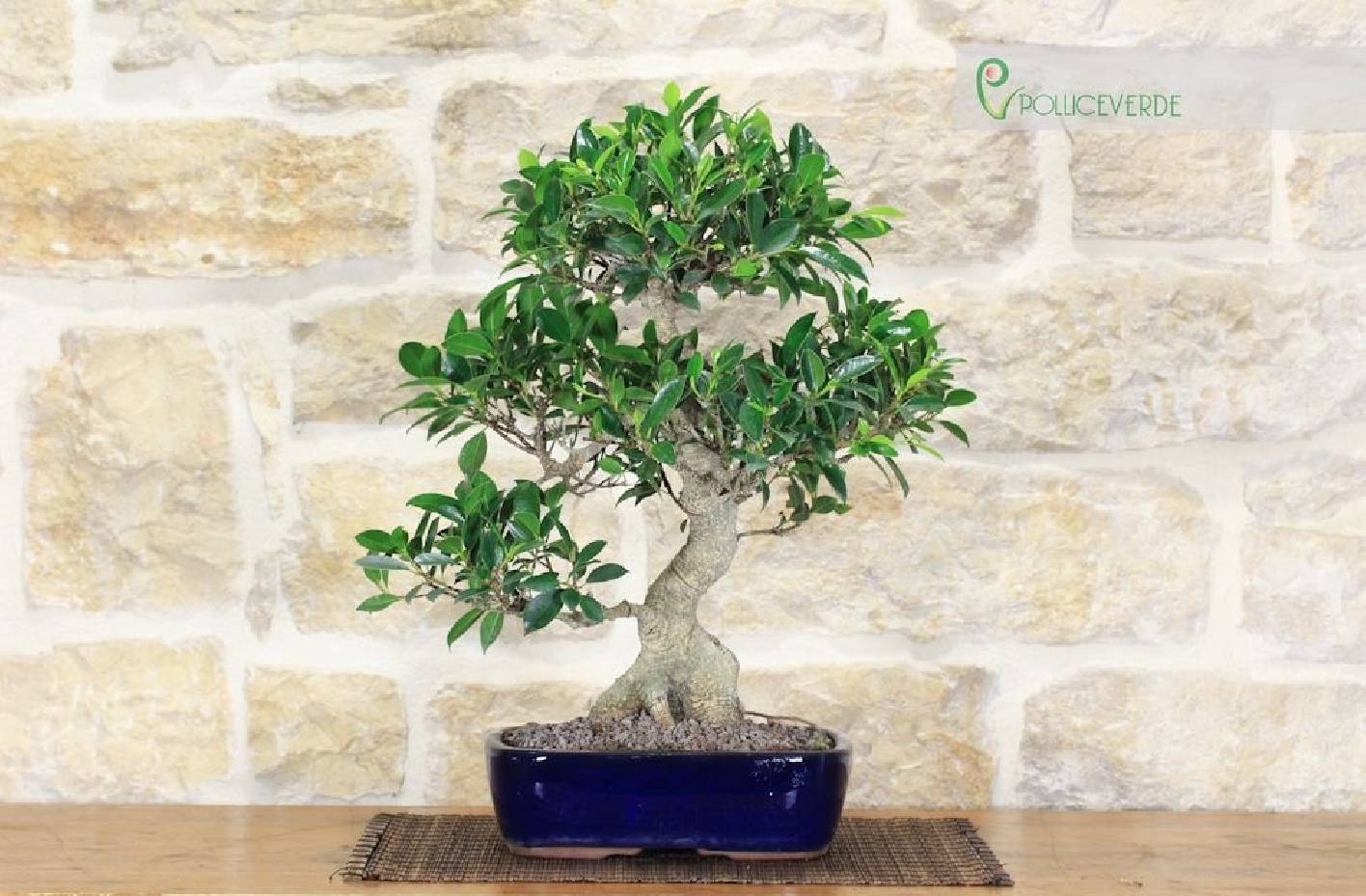
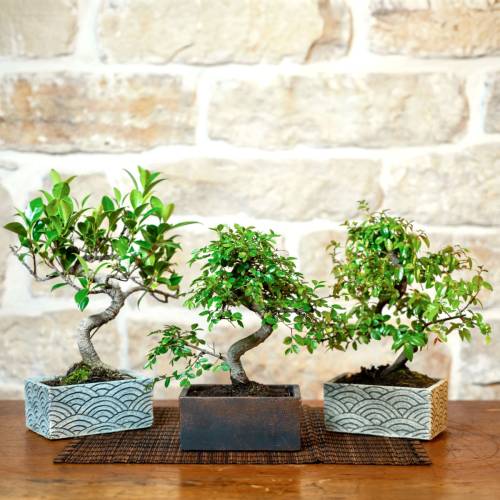
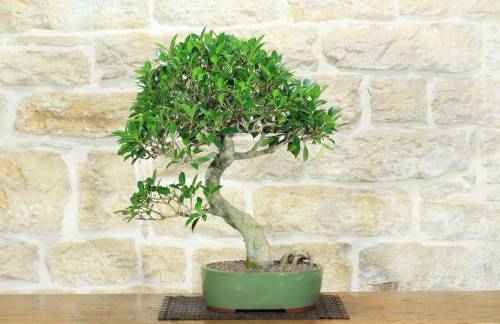
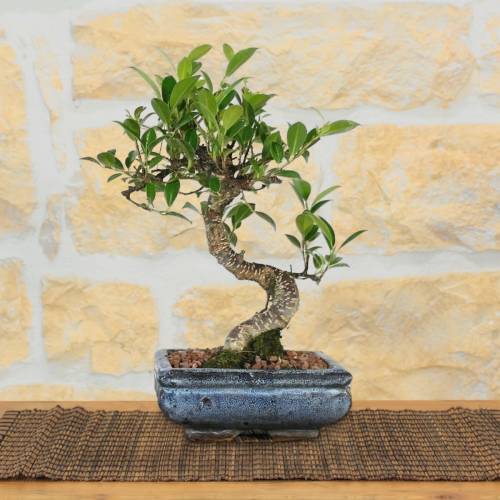
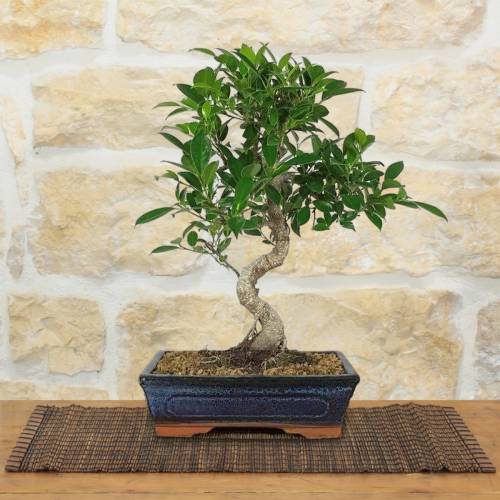
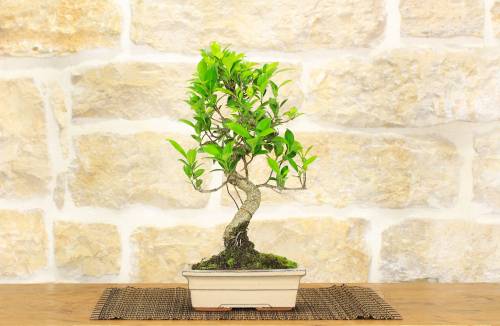
The Ficus Retusa (often confused with Microcarpa, or sold commercially as "Ficus Ginseng") is the bodybuilder of the bonsai world. A massive trunk, frequently covered with aerial roots hanging from the branches like lianas, and glossy dark green leaves. It is the number one species for beginners, because it forgives almost everything except cold. But do not underestimate it: in the hands of an experienced grower, a Ficus can become a masterpiece in the "Banyan" style, evoking tropical jungles.
It comes from South-East Asia (Malaysia, the Philippines, Borneo). It is a fast-growing evergreen tropical tree. Its unique feature is the ability to produce roots from the branches which, on reaching the ground, lignify and become secondary trunks. In nature this allows it to cover enormous areas.
The Ficus loves light, but it adapts.
Summer: From May to September it must live outdoors. Half shade or full sun (if acclimatised gradually) will make it burst with health, producing smaller, thicker leaves.
Winter: In our climate it is necessarily an indoor plant. Bring it in when temperatures drop below 12-15°C. Place it near a bright window, away from draughts and radiators.
It tolerates short dry spells thanks to its fleshy leaves and thick roots, but to grow well it wants regular water.
Water generously when the soil mix begins to dry out.
The secret: ambient humidity. Mist the foliage every day (especially in winter with the heating on) to keep the leaves healthy and encourage aerial roots to form.
It is not demanding. Tap water at room temperature is perfectly fine. Avoid ice-cold water, which shocks tropical roots.
It must drain well but retain some moisture, since the tree often lives indoors.
Carried out in late spring (May-June), once the warmth is settled. The Ficus is extremely vigorous: you can reduce the roots drastically without fear (by up to 1/2 or 2/3) and it will respond strongly. Use glazed pots, which hold moisture better and suit the glossy foliage.
It is a big eater. Feed all year round if kept warm (reducing the doses in winter). In spring and summer use fertilizer rich in nitrogen to push growth and thicken the trunk.
It produces syconia (small figs), green or yellowish and not edible. On a bonsai they are a minor detail compared with the majesty of the roots.
It can be done all year round, but large cuts heal better in summer. Watch out for the white latex that oozes from the cuts: it is irritating and stains. Dab it off with water.
Continuously pinch back the shoots that extend ("run away"), leaving 2-3 leaves. If the bonsai loses its shape or the leaves become too large, in June you can carry out a complete defoliation (only if the plant is in perfect health): the new leaves will be tiny.
The branches are very flexible ("rubbery"), but the wire bites into the bark extremely quickly because the branch thickens fast. Check the wire every 15-20 days in summer!
Two main enemies:
Absolute protection from frost. Below 10°C it starts to suffer and drop leaves. Indoors, give it as much light as possible.
Why does it drop its leaves as soon as I move it?
The Ficus is a creature of habit. Any change in light or temperature causes stress, which leads to leaf drop. Find the right spot and leave it there.
Can I grow aerial roots at home too?
It is difficult but possible. You need very high humidity (a greenhouse effect). Try wrapping the trunk in damp sphagnum moss, or put the plant inside a transparent bag for a few weeks in summer.
Why are the new leaves light green?
That is normal: newly formed leaves are pale and soft. They will turn dark green and leathery with time and the right feeding.
There are 8 products.