
€390.00

Home
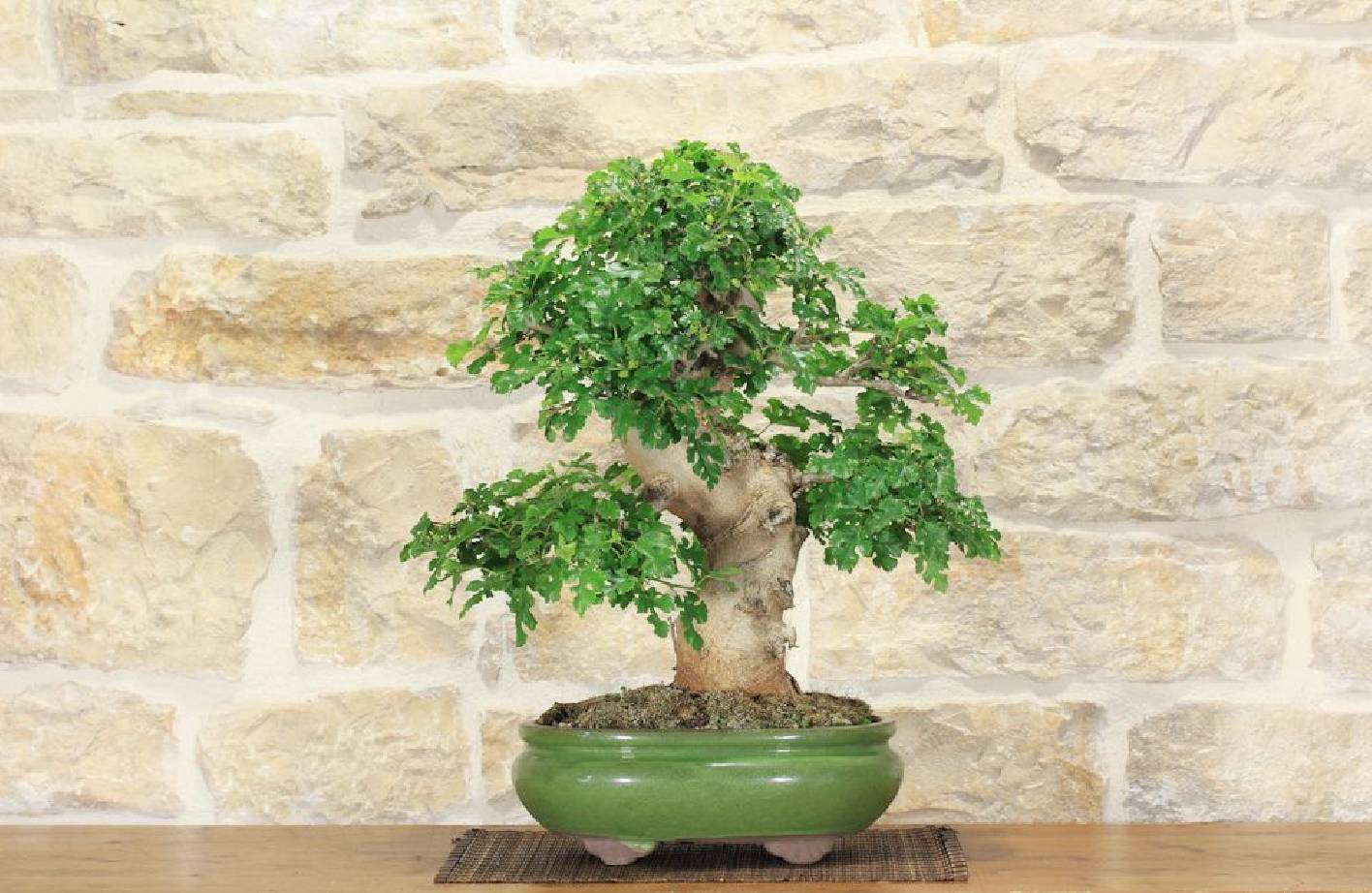
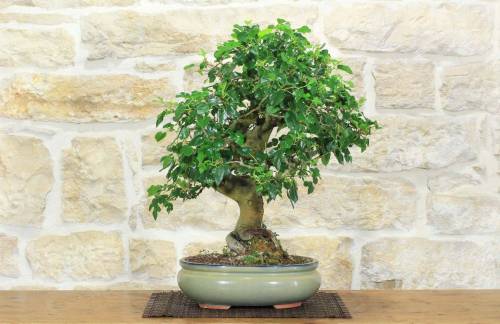
The Mulberry (Morus alba or Morus nigra) is a tree that tastes of history, tied to silkworm rearing and to our countryside. As a bonsai it is generous and sturdy, appreciated for its rugged bark that ages early and, of course, for the fruit (the mulberries) hanging from the branches in summer. The challenge with Mulberry? Managing its leaves, which naturally tend to grow large, though with the right techniques you can obtain fine, well-proportioned ramification.
Native to Asia but naturalised in Europe for centuries, it belongs to the Moraceae family (like Ficus!). It is a vigorous deciduous tree. For bonsai, Morus alba (White Mulberry) is often preferred for its slightly more manageable leaves, or the "Bombysis" variety.
The Mulberry wants full sun and plenty of air.
Sunlight is essential for the fruit to ripen and to keep the internodes short. In midsummer, in the hottest areas, it appreciates light afternoon shade purely to prevent the large leaves from transpiring more water than the roots can take up.
It is a heavy drinker. The broad, thin leaves lose a lot of water.
In summer never let it dry out: water generously as soon as the surface of the soil dries. If it lacks water it will tell you straight away by sadly wilting its leaves, with the risk of dropping the fruit.
It tolerates tap water well, even slightly hard water. It is not a fussy plant.
It needs a soil mix that holds some moisture but does not turn to mud.
Carried out every 2 years for young trees, every 3-4 for older ones, in spring before the buds open. Mulberry roots are fleshy, yellowish and grow very strongly. When repotting you must be decisive and prune the thick roots hard to stimulate the fine ones.
Producing fruit takes energy.
Fertilize generously in spring with slow-release organic fertilizer. If you want to encourage fruiting, use fertilizers with more Potassium and less Nitrogen before flowering. Start again in autumn to strengthen next year's buds.
The flowers are inconspicuous (catkins), but the fruit is the jewel. It appears on the previous year's wood.
Aesthetic tip: If the bonsai is small and sets too much fruit, remove some of it. Too many berries can exhaust the tree and halt branch growth.
Done in winter when the tree is bare. The Mulberry heals well but the sap draws back: always leave a small stub when cutting a thick branch, to be tidied up the following year once it has dried. Always use cut paste.
Let the shoots grow to 5-6 leaves and then cut back to 2.
The key technique for Mulberry is defoliation (total, or partial on the largest leaves) in June. This forces the tree to produce a second flush of much smaller leaves, better suited to bonsai.
Young branches are flexible but break easily at the junctions (they "snap sideways"). Wire semi-lignified branches in summer with aluminium wire, taking great care not to tighten: Mulberry bark is soft and alive, and marks in no time.
A hardy plant, but watch out for:
Cold hardy. Protect the roots from hard frosts by mulching the pot. Watch the fine branches, which can dry out if the winter is too windy and dry.
Can I eat the fruit from my bonsai?
Of course! It is identical to that of full-size trees, just miniature or in smaller quantity. The berries are sweet and rich in vitamins.
The leaves have become enormous, why?
Probably too much water, too much shade or too much nitrogen fertilizer. Next year give it more sun and try defoliating in June to reduce leaf size.
Why do some fine branches dry out in winter?
The Mulberry tends to self-prune weak inner twigs that receive no light. This is physiological. To avoid it, make sure light penetrates the whole canopy during summer.
There are 2 products.