
€390.00

Home
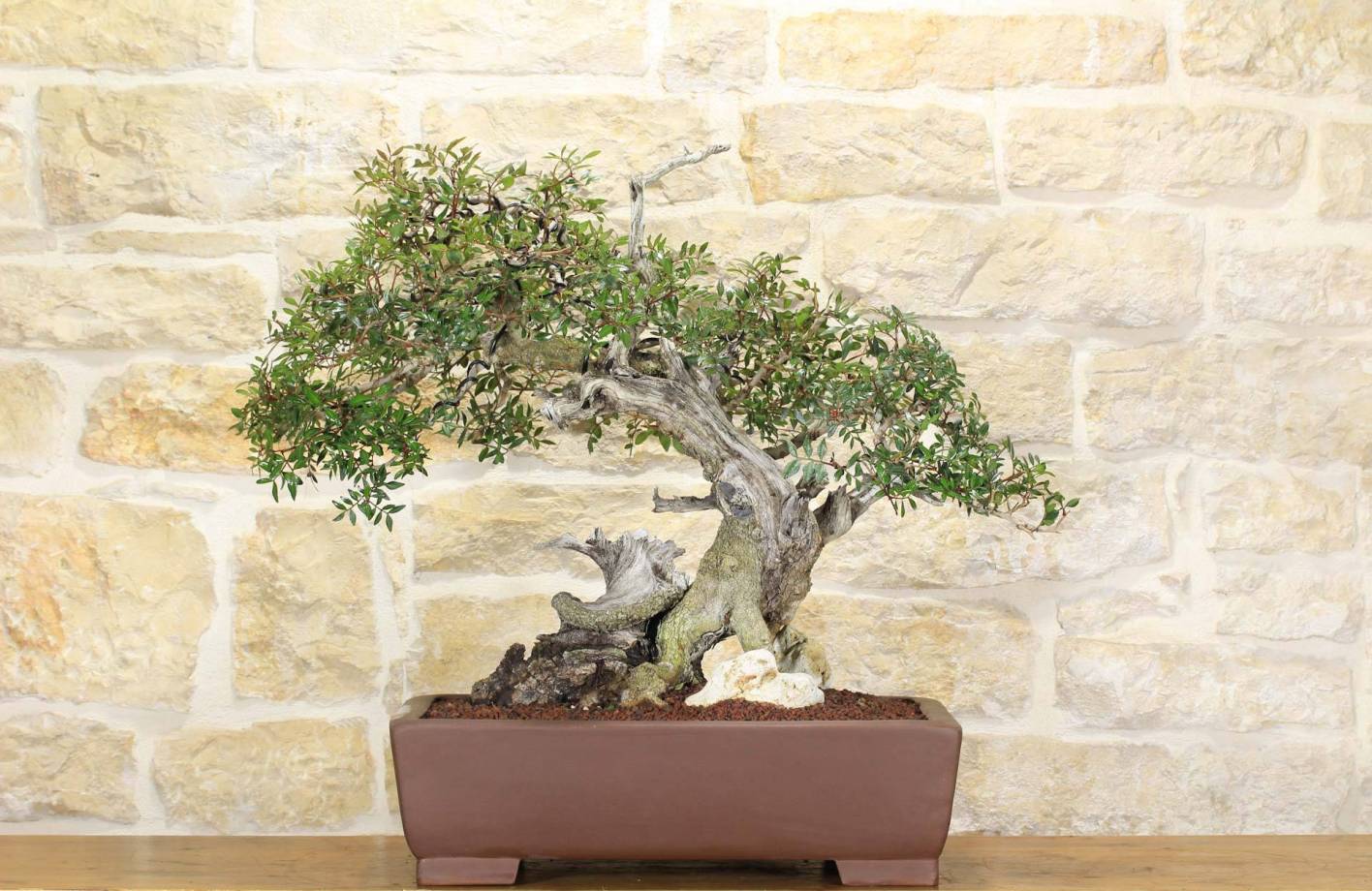
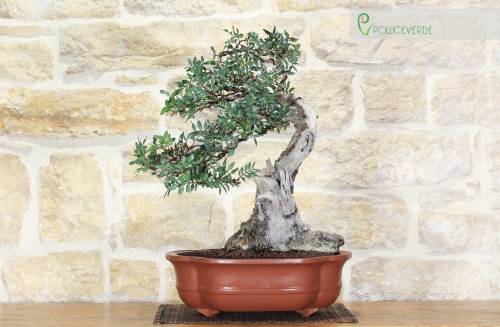
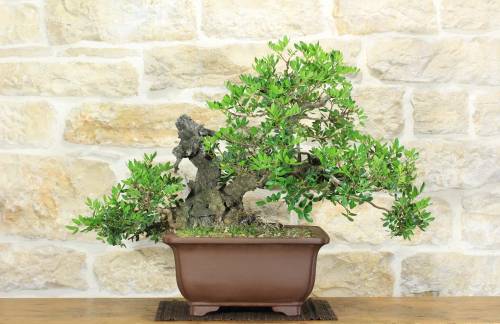
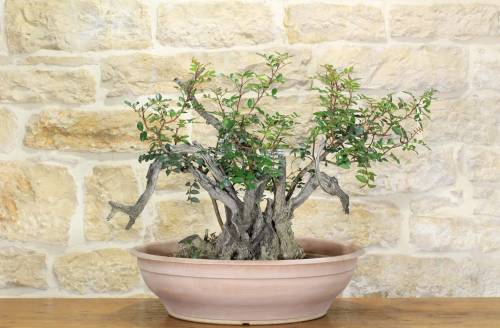
The Lentisk (Pistacia lentiscus) is a hidden gem among bonsai species. Often underrated, it is in fact an exceptional plant: tiny compound leaves (perfect for bonsai proportions), evergreen, rough reddish bark and rock-solid hardiness. If you rub the leaves, they give off an unmistakable resinous scent. It is ideal for "forest" or "literati" styles and is practically indestructible as long as you respect its need for sun and drainage.
A typical Mediterranean shrub, it grows on rocky, arid coastlines. It belongs to the Anacardiaceae family (like the pistachio). In the wild it forms low, compact bushes shaped by the wind, often developing very striking natural deadwood.
Lentisk = Sun.
Place it in full sun all year round. It loves dry heat, and strong light is what keeps the internodes short. It does not fear wind; on the contrary, still air is its enemy because it encourages fungal problems. In northern Italy, give it the warmest, sunniest spot you have, facing south if possible.
It is a xerophilous plant (it loves dry conditions), but in a pot it must be watered with judgement.
Wait until the soil mix is completely dry before watering again. It is extremely sensitive to waterlogging, which can rot the roots within a few days. In winter water very sparingly, just enough to keep a little moisture in the root ball.
Tough and tolerant. Tap water is perfectly fine. It has no particular demands regarding acidity and copes with slightly saline or calcareous water better than many other species.
It must be very free-draining and lean, similar to the rocky soils of its native habitat.
Repot in late spring (May/June), when the plant is in full growth.
It does not like frequent repotting: every 3-5 years is enough. Be careful with the roots, as they are sensitive to drastic cuts. Never reduce the root ball too much in one go; work in stages.
Feed moderately in spring and autumn with a solid slow-release organic fertilizer.
Do not push too hard with nitrogen: the beauty of the Lentisk lies in its short internodes and tiny leaves; an excess of fertilizer would ruin its natural compactness.
It produces small reddish flowers in clusters, followed by small red berries that turn black as they ripen (in autumn/winter). The colour contrast between the red/black berries and the dark green foliage is highly ornamental.
Lentisk wood is hard but flexible. Major styling cuts are made in late winter, before growth resumes.
Since the plant produces resin, it is important to seal large cuts with cut paste to protect the wood and help the wound close.
During the growing season, to keep the shape of the canopy, shorten the branches that grow beyond the outline. The Lentisk takes pruning well and will also back-bud on old wood if it gets plenty of sun.
Essential for densifying the foliage pads. Throughout spring and summer, pinch the soft new shoots with your fingers or scissors once they have produced 4-5 small leaves, cutting back to 2. This encourages ramification and keeps the leaves small.
Young branches are very flexible and respond well to wiring, which can be done in spring and summer.
Be careful: old branches lignify heavily and become stiff, snapping if forced too much. In addition, the young bark is delicate: check the wire often so that it does not bite in.
In central and southern Italy it lives outdoors without problems. In the north, protect it in a cold greenhouse or under a shelter if temperatures stay below -3°/-4°C for long periods. It suffers more from cold, stagnant damp than from dry cold.
Can I make a bonsai from a plant collected by the sea?
The Lentisk has a medium-low survival rate when collected from the wild (yamadori) unless you are experienced, because the roots suffer a lot from stress and drastic cuts. It is better to buy nursery-grown potted plants, which have a compact and reliable root ball.
Why does it lose its inner leaves?
Lack of light. Being a dense bush, if no sun reaches the inside of the canopy the plant drops its older leaves. Thin it out regularly so that light can reach everywhere.
Which style suits it best?
It adapts beautifully to broom, informal upright or forest styles. The "windswept" style (Fukinagashi) is also very natural and evocative for this coastal species.
There are 4 products.