Cork Oak Bonsai: Full Guide, Bark and Cultivation

CORK OAK BONSAI

The Cork Oak Bonsai: A Sculpture Clothed in Cork

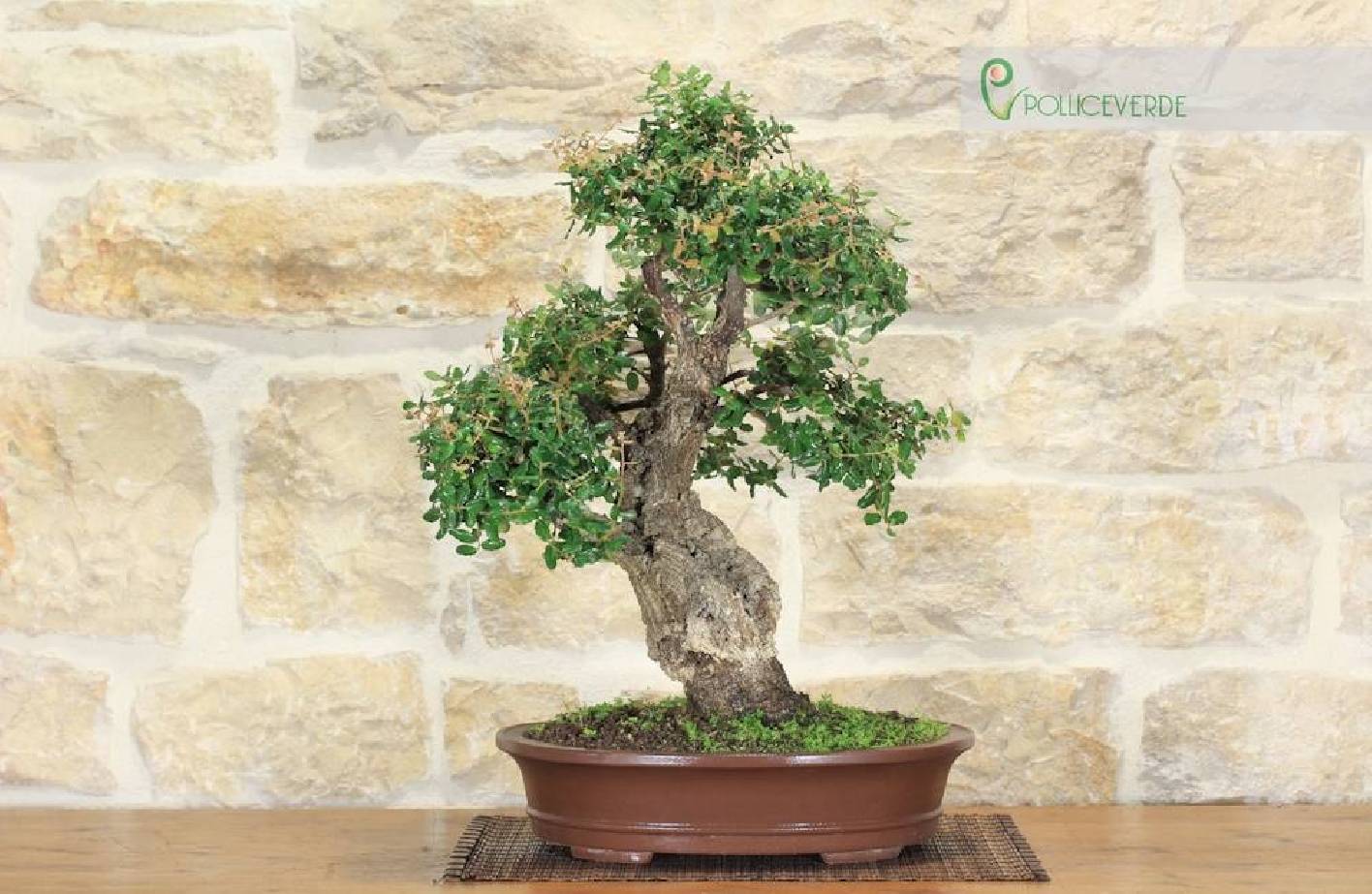
The Cork Oak (Quercus suber) is a tree of archaic charm, a symbol of Sardinia, Portugal and the Tyrrhenian coasts. It is an evergreen bonsai (or semi-deciduous in colder climates), unique of its kind thanks to its bark: thick, fissured, soft to the touch and silvery grey in colour. This natural "armour", which the plant develops to protect itself from fire and dehydration, gives even young specimens an air of venerable age. It is a robust species, but it demands a little more care than the Holm Oak, especially as regards the quality of the water and the soil.

Origin & species

Native to the western Mediterranean basin, it grows spontaneously on acid or sub-acid soils (granitic, volcanic), avoiding calcareous ones. It belongs to the Fagaceae family. In bonsai it is prized for its small, toothed, dark green leaves, which contrast magnificently with the pale colour of the corky bark.

Position and microclimate

The Cork Oak wants full sun.
Sunlight is essential for the health of the plant and for keeping the foliage compact.
It loves heat, but take care in summer: although the canopy enjoys the sun, the roots in the pot can overheat. On scorching days, shield the pot from direct rays or use thick stoneware pots, which insulate better.

Watering

Unlike other oaks, the Cork Oak is somewhat more demanding.
Water when the soil mix begins to dry on the surface, but never leave it bone dry for long periods in summer, or it will drop its leaves. It dislikes waterlogging, which causes root rot (the fungus Phytophthora is its enemy).

Water quality

This is the secret of success. The Cork Oak is a lime-hating plant.
It hates calcareous water. If you use hard tap water, the leaves will turn yellow (chlorosis) and the plant will slowly weaken. Use rainwater, reverse-osmosis water, or acidify the tap water if you live in an area with very hard water.

Substrate

It must be free-draining and tending to acid or neutral. Avoid soil mixes containing limestone grit.

  • Recommended mix: 40% Kanuma (or Kiryuzuna), 40% pumice and 20% leaf mould or acid peat.
  • Using Kanuma or Kiryu (acid Japanese substrates) helps keep the pH correct and prevents chlorosis problems.

Repotting

Carry it out in late spring (May-June), when the plant is in full growth. Never in winter.
The Cork Oak has sensitive roots. Never bare-root and wash the roots: preserve the mycorrhiza and always leave part of the old root ball around the trunk. Repot every 3-4 years.

Feeding

Feed with slow-release solid organic fertilizer in spring and autumn.
Using specific fertilizers with iron, or those for acid-loving plants, is an excellent supplement to keep the foliage dark green and healthy.

Flowering and fruiting

It produces acorns, but on bonsai grown in pots this is a rare event and requires mature specimens. If they appear, they are decorative, but they use up energy: decide whether to keep or remove them according to the tree's state of health.

Structural pruning

Major cuts are made in late winter or early spring.
The wood is hard. Use cut paste on every cut: oaks struggle to close large wounds and exposed wood tends to rot or dry out deeply if it is not protected.

Maintenance pruning

During the growing season the Cork Oak throws out long shoots. Shorten them regularly to keep the silhouette and encourage inner ramification. Take care not to damage the corky bark of the older branches with your tools.

Pinching

To thicken the foliage pads, pinch the soft shoots back to 2 leaves once they have produced 5-6. This operation stimulates the dormant buds and keeps the leaves small.

Wiring & bending

This is a sore point.
Do not put wire on old branches covered with cork! The wire would crush and irreversibly ruin the precious bark.
Wiring is done only on young branches (1-2 years old) that have not yet formed cork. For large branches, use guy wires only, with rubber padding to avoid cutting in.

Diseases and pests

  • Powdery mildew: Common in spring/autumn if there is damp and little air movement.
  • Scale insect: It hides in the fissures of the rough bark.
  • Iron chlorosis: Yellow leaves with green veins, due to soil/water that is too calcareous.

Winter & protection

In central and southern Italy it lives outdoors all year round.
In the north it is less hardy than the Holm Oak or the Downy Oak. If temperatures drop below -4°/-5°C, it should be moved into a cold greenhouse. Hard frost on the roots can be fatal.

Yearly calendar

  • January-February: Dormancy, cleaning out dead branches.
  • March-April: Bud break, powdery mildew prevention, fertilizer (if mild).
  • May-June: Repotting (ideal period), green pruning.
  • July-August: Regular watering, full sun.
  • September-October: Autumn feeding, check the wire.
  • November-December: Winter protection (in the north).

Useful products for this bonsai


Frequently asked questions about the Cork Oak

Can I strip the cork off and use it?
Absolutely not! In bonsai, thick bark is an aesthetic asset that takes decades to form. If you strip it, you ruin the value of the plant and expose it to infection and dehydration.

Why are the leaves yellow?
In 90% of cases it is a pH problem. You are using water that is too hard or the wrong soil mix. The Cork Oak hates lime. Give chelated iron and start using rainwater or demineralised water.

Can I collect one from the wild?
In many regions (such as Sardinia) the Cork Oak is a protected species and collecting is strictly forbidden. Besides, like all oaks, it has a deep tap root that makes establishment very difficult. Buy certified nursery plants.

404 Error

This page is no longer among our branches.

The page you are looking for may have been moved, removed, or is no longer available. But your next bonsai, accessory, or gardening item is still here waiting for you.

Explore the main categories or use the search below.
404

No problem: we will help you quickly find bonsai, pots, accessories, and useful content.

A reference point for bonsai and gardening lovers

Quickly find bonsai, gardening items, pots, accessories, and useful content to better take care of your plants.

Explore the catalog