Kotobuki Black Pine Bonsai: Short Needles and Simplified Care

BLACK PINE KOTOBUKI BONSAI

The Black Pine Bonsai 'Kotobuki': Elegance without Effort

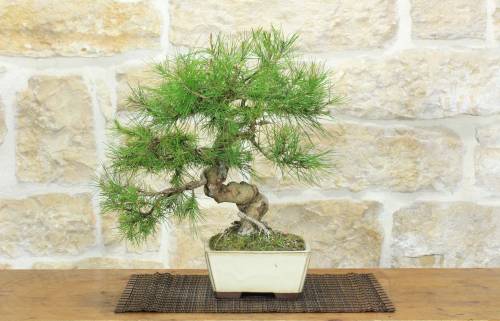
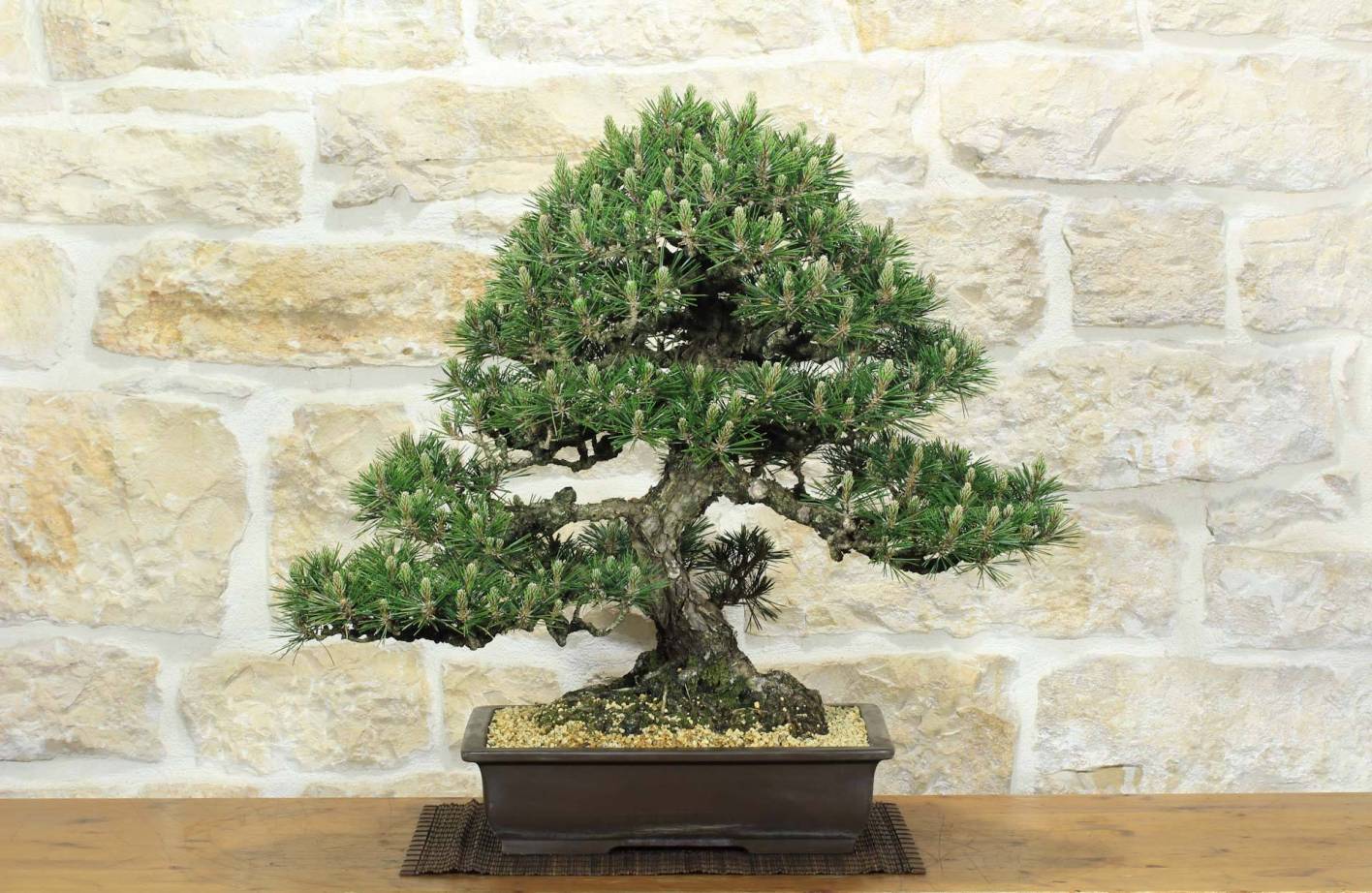
The Black Pine 'Kotobuki' is a prized and highly sought-after cultivar of the classic Pinus thunbergii. In Japanese, "Kotobuki" means "Long Life" or "Happiness." It is loved by bonsai growers because it solves the main "problem" of black pine: needle length. In fact, this variety naturally produces very short, stiff, deep dark green needles, and has a compact growth habit that makes it look like a mature, trim pine even when young. It is an ideal choice for those who like the powerful bark of black pine but want less demanding canopy management.

Origin & species

It is a mutation (sport) of the Japanese Black Pine. It retains the rough, dark bark typical of the species (although it takes a little longer to form than the wild type), but has less apical dominance and denser branching. Often Kotobuki bonsai are grafted onto wild black pine roots to give the plant vigor, yet retain the genetic foliage of Kotobuki.

Exposure and Microclimate

Like all black pines, it demands full sun.
Direct light is vital to maintain the health of the inner needles and stimulate new bud production. Shade leads to branch thinning and weakening of the plant. Provide it with a very ventilated position to prevent fungus and mealybug among the dense needles.

Watering

Kotobuki is afraid of waterlogging.
Water only when the soil is well dry. Compared to the classic black pine, Kotobuki has a slightly slower growth rate and consumes slightly less water. Always check the moisture in the substrate with your finger before watering. Excess water can cause needles to turn yellow or lead to root rot.

Water quality

It is undemanding. Tap water is fine, as long as it is not excessively limey or saline in the long run.

Substrate

Drainage must be perfect; it is key to pine tree health.

  • Recommended mix: 50% Kiryuzuna (specific for conifers) and 50% Akadama.
  • If you cannot find Kiryu, Pumice is a good alternative. Absolutely avoid pure universal potting soils that smother roots and mycorrhizae.

Repotting

Repot every 3-5 years, in spring (April), when the candles begin to move.
Never wash bare roots. It is essential to preserve the mycorrhiza (the white symbiont fungus) in the old potting soil, which helps the tree absorb nutrients. Always reintegrate some of the old mycorrhized soil into the new mix.

Fertilization

Fertilize with solid organic fertilizer in fall and spring.
For pine trees, specific fertilizers such as Joy Tamahi, which promotes the development of deep, bright green needles due to its supply of organic nitrogen, is excellent.

Flowering and fruiting

Produces small pine cones, but they should be removed if the plant is being refined so as not to waste unnecessary energy.

Structure pruning

Cuts of large branches are done during winter rest (January-February).
Always use healing mastic on cuts, as the resin protects but exposed wood can be a pathway for pathogens.

Maintenance pruning (The difference with classic pine)

Herein lies the big difference: The Kotobuki does NOT compulsorily need Mekiri (total candle cutting).
While on the normal black pine you cut the candles in June to have short needles, on the Kotobuki the needles are already short!
If the tree is balanced, limit yourself to bud selection (leaving 2 per branch) in winter. If you do Mekiri on a weak Kotobuki, you risk it not growing back or making too small buds.

Stapling (Metsumi)

In spring, when the candles are elongating, you can staple them (break off a piece with your fingers) only if some are running away too strong compared to the others. The goal is only to balance the strength, not to reduce the size of the needles, which is already perfect.

Binding & folding

Wire is applied in fall/winter. The branches are flexible, but as they grow dense, be careful not to crush the needles between the wire and the bark. Copper wire is preferred for tightness, but aluminum is fine.

Diseases and pests

  • Mealybug: Easily lurks among the short, dense needles of Kotobuki. Check the inside of the foliage often.
  • Red spider mite: Causes yellowing of needles.
  • Fungi (Rust): If there is little ventilation.

Winter & protections

Frost Resistant. Can stay outside year-round.
Protect the pot with mulch only during exceptionally prolonged frosts to safeguard the pot and capillary roots.

Annual calendar

  • January-February: Cleaning old needles (essential to give light!), bud selection.
  • March-April: Repotting (if necessary), fertilizing.
  • May: Light stapling only on strong candles.
  • June-July: Pest control, NO total shingling needed.
  • August: Rest, regular watering.
  • September-October: Fall fertilization (important).
  • November-December: Tying.

Useful products for this bonsai


Frequently Asked Questions about Pine 'Kotobuki'

Why does it cost more than regular black pine?
Kotobuki is a slow-growing and highly prized variety. In addition, most quality specimens are grafted and grown for years before being released. The price reflects the time saved: buy a pine tree that already has perfect needles without having to work years to get them.

What happens if I cut the candles (Mekiri) like at the black pine?
If the plant is very strong, it will survive but will make tiny needles. If the plant is normal or weak, you risk that the branch will stunt or die. Generally, on Kotobuki, Mekiri is avoided or done only partially on branches that are too vigorous.

I see a bulge at the base of the trunk, is this normal?
Yes, it is the grafting point. Almost all Kotobuki are grafted onto wild Black Pine (Thunbergii type) roots to ensure strong roots for a plant that would be genetically weaker. With time and cultivation, the graft mark will blend in.

404 Error

This page is no longer among our branches.

The page you are looking for may have been moved, removed, or is no longer available. But your next bonsai, accessory, or gardening item is still here waiting for you.

Explore the main categories or use the search below.
404

No problem: we will help you quickly find bonsai, pots, accessories, and useful content.

A reference point for bonsai and gardening lovers

Quickly find bonsai, gardening items, pots, accessories, and useful content to better take care of your plants.

Explore the catalog