Kanuma acid soil for bonsai - 2/5 mm grain - 5 litre pack


We pack the bonsai in order to guarantee the life of the plant

Discover Our Guarantee Up To 2500 €

Active Every Day From 09:00 - 18:00
What it is and where it comes from
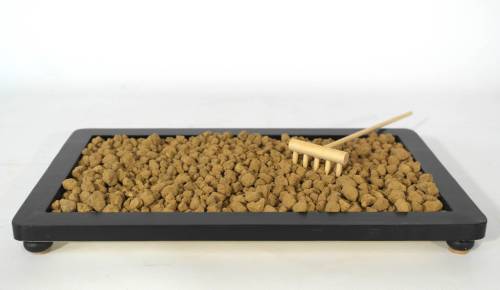
Kanuma is a Japanese clay soil of pumice origin, quarried in the area it takes its name from. It comes as pale, lightweight granules with a low pH, which makes it the benchmark substrate for acid-loving plants. Here it is graded at 2/5 mm and packed in a 5 litre tub.
How it behaves in the pot
The granule is porous and absorbs more water than akadama, while still letting the excess drain away without compacting the root ball. This dual quality is why azaleas thrive in it: they stay moist between waterings without the fine roots suffocating.
The structure stays open and well aerated. It should be said, though, that kanuma is soft: over time, especially after repeated frosts, the granule tends to break down and compact, which is why many growers prefer not to use it pure and mix it with a more stable material. When wet it turns darker, and that makes it easy to read the moisture level of the substrate at a glance.
Features
- Japanese clay soil for bonsai
- Grain size 2/5 mm
- 5 litre pack
- Low kanuma pH, suited to acid-loving plants
- High water absorption, greater than akadama
- Good drainage
Which grain and for which plants
The 2/5 mm is the most versatile size in the range: it covers shohin and small pots, but also works well on medium-sized trees, filling the gaps between roots without leaving voids. The 5 litre pack is the right quantity for repotting a few plants or keeping a topdressing supply in the workshop.
Satsuki azaleas first and foremost, then camellias, rhododendrons, kalmias and heathers: anything that suffers in alkaline substrates. If you are looking for a general purpose bonsai soil, akadama is the better choice; kanuma is a specific material, and makes no sense on a conifer or an elm.
How to use it when repotting
Sieve it first. The dust created in transport must be removed, otherwise it settles at the bottom and blocks drainage. Place a layer of the coarser grain recovered from sieving at the bottom of the pot, then carry on with the rest.
Work it between the roots with a chopstick, without tamping: the granule is soft and crumbles under pressure. After repotting, water thoroughly and repeatedly until the water runs clear from the drainage holes. That first generous watering also helps settle the material around the nebari.
Frequently asked questions
Can kanuma be used pure?
It is best mixed with other soils. On its own it holds a great deal of water and, being a soft granule, it tends to break down over the years: lightening it with a more stable, free-draining material extends the life of the substrate between repottings.
How does it differ from akadama?
Kanuma has a low pH and absorbs more water than akadama. Akadama is a good all-round substrate for most species; kanuma is specific to acid-loving plants, where the acidity of the material is part of the result and not a minor detail.
Is the 2/5 mm grain right for my pots?
Yes, if you work with shohin, shallow pots and small to medium plants. On large specimens in deep pots, many prefer a coarser grain for the body of the substrate and keep the 2/5 mm for the surface.
What is included
- Japanese kanuma, grain size 2/5 mm
- 5 litre pack
If you prefer to measure out the components yourself, you can build your own mix on the made-to-measure soil page.
- Days of preparation
- 2
| EXPRESS COURIER | EU-ZONE |
| 0 a 100 Kg. | from 0.35 until 5 € for Kg + Additional fix cost (depending to your EU-ZONE) |
| 100 Kg > + | CONTACT US FOR PRICE |
- Add to cart the product.
- Go to Cart
- In the bottom of page "Estimate shipping" and put your country, then the website will give you a