

Lapillo volcanico 3/5 mm - 5 litre pack


We pack the bonsai in order to guarantee the life of the plant

Discover Our Guarantee Up To 2500 €

Active Every Day From 09:00 - 18:00
What it is and where it comes from
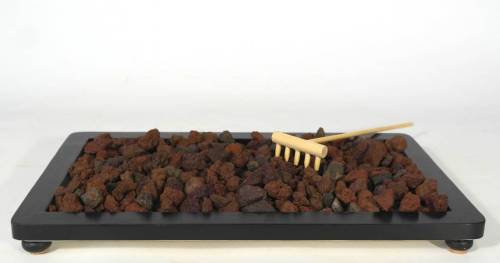
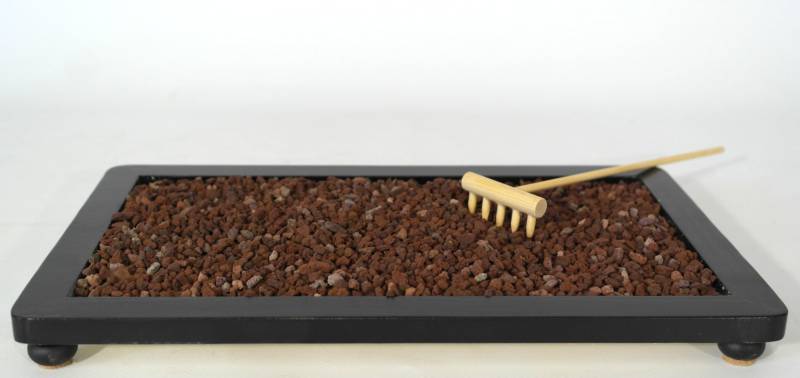
Lapilli are crushed lava rock, a natural inert of volcanic origin rich in minerals and iron. The grains are porous, angular and reddish-brown in colour. This 5 litre pack is graded at 3/5 mm.
How it behaves in the pot
Water passes straight through. That is the first thing you notice when watering a pot containing volcanic lapilli: no waterlogging, the surplus runs down and out of the drainage holes. The internal porosity of each grain, however, does not leave the substrate dry, because it holds moisture and releases it slowly to the surrounding soil over the following hours.
Between the angular grains there are air pockets that roots are happy to colonise, producing fine ramification and a compact root mass. The real advantage, though, is another: lapilli do not break down. Years go by between one repotting and the next and the grain is still the same, with none of that clayey sludge that clogs the pores and suffocates the root system.
Features
- Material: volcanic lapilli, natural inert
- Grain size: 3/5 mm
- Pack capacity: 5 litres
- Composition: rich in minerals and iron
- Function: drainage and water retention
Which grain size and for which plants
The 3/5 mm is the middle size, the one that suits most medium-sized growing and display pots. On shohin and shallow little pots it is coarse; on large specimens it can be used, but many prefer to go up a grade in the body of the substrate and keep this one for the top layer.
It pairs well with akadama and pumice in mixes for conifers, where drainage matters more than retention: pines, junipers, yews. It also works on broadleaves, lightening a substrate that on its own would stay too wet. The same grain is useful on the surface, where the dark colour finishes the pot cleanly.
How to use it when repotting
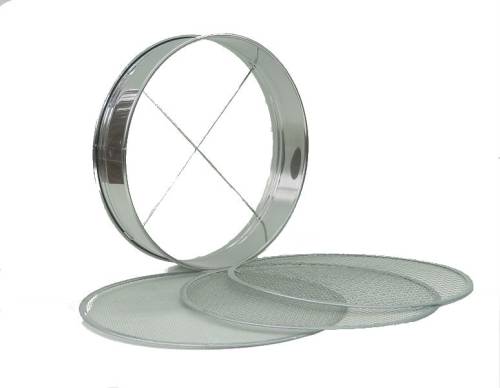
First of all, sieve it: crushed lapilli always carry dust and fine flakes, which form an impermeable crust at the bottom of the pot. Sieve it dry, keep the grade you want and discard the rest. A thin layer of grains on the bottom, over the drainage mesh, gives you the filtering layer.
Among the roots the material should be settled with a chopstick, without pressing: the gaps close by themselves with the first watering. Water generously until the water runs clear from the holes, repeating two or three times. That washes away the last of the dust.
Frequently asked questions
Can volcanic lapilli be used on their own?
They can, but you need to know what that means. Being an inert, they supply no nutrients and hold less water than a clay such as akadama: watering becomes more frequent and feeding is essential. Generally it is better to combine them with a more retentive component.
Does the grain crumble over the years?
No. Lava rock is hard and keeps its shape and porosity throughout the period between one repotting and the next, even through freeze and thaw. That is the main reason it is chosen: the substrate structure stays open and oxygenated instead of compacting.
How many plants will a 5 litre pack cover?
It depends on pot size and how much lapilli goes into the mix. For medium-sized pots, five litres is enough for a few repottings, or to prepare a small amount of mix without bulky leftovers. Any material left over keeps dry, does not deteriorate and can still be used the following year.
What is included
- Volcanic lapilli, 3/5 mm grain size
- 5 litre pack
If you prefer to measure out the components yourself, you can put together your own mix on the made-to-measure soil page.
- Days of preparation
- 2
| EXPRESS COURIER | EU-ZONE |
| 0 a 100 Kg. | from 0.35 until 5 € for Kg + Additional fix cost (depending to your EU-ZONE) |
| 100 Kg > + | CONTACT US FOR PRICE |
- Add to cart the product.
- Go to Cart
- In the bottom of page "Estimate shipping" and put your country, then the website will give you a