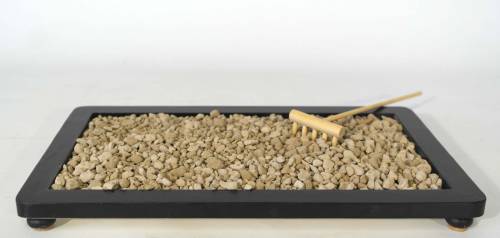


Zeolite based on chabazite and phillipsite - 2 lt pack


We pack the bonsai in order to guarantee the life of the plant

Discover Our Guarantee Up To 2500 €

Active Every Day From 09:00 - 18:00
What it is and where it comes from
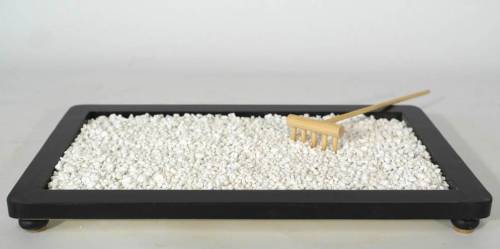
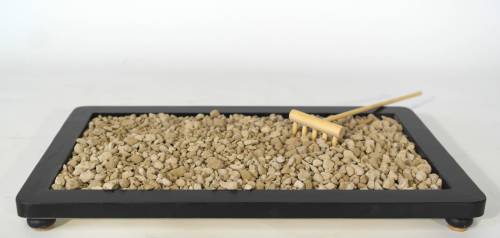
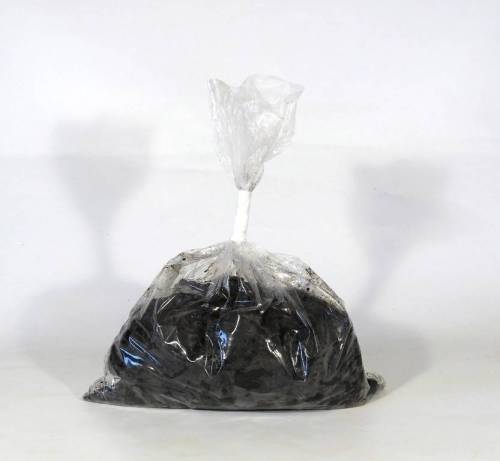
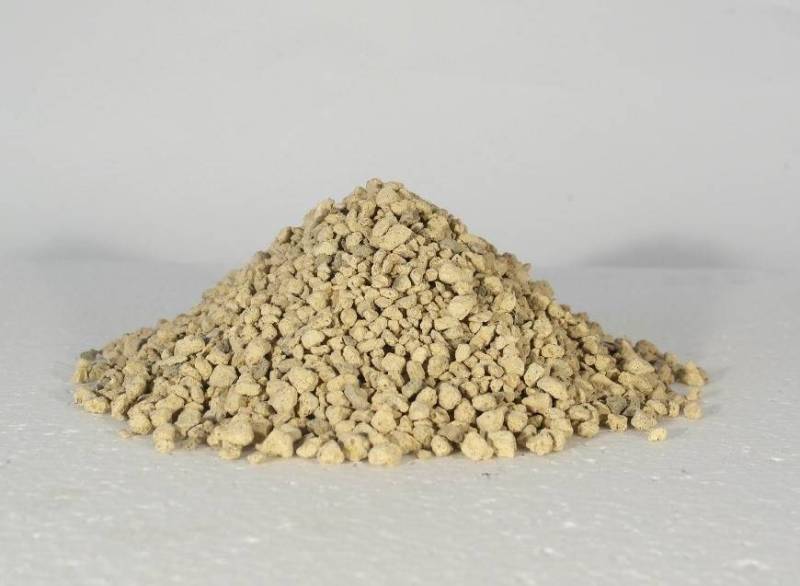
Zeolite is a rock of volcanic origin belonging to the silicate family. This one is based on chabazite and phillipsite, two of the most common and stable forms, with a porous lattice structure inside. It is crushed and graded to a 3/5 mm grain size, the measure most used in bonsai growing.
How it behaves in the pot
The granule works like a mineral sponge: it absorbs water into its micropores and gives it back to the roots as the substrate dries out. The pack states a reduction in watering of up to 30-40%, a margin you really notice in summer on shallow pots and hot positions, where akadama on its own dries out quickly.
The other property concerns fertilisers. Zeolite holds nutrients and releases them gradually, limiting leaching at every watering and improving uptake by the plant. The granule does not break down into paste. It stays hard from one repotting to the next and does not turn to mud as softer clays do, so the substrate keeps the air spaces between the particles.
Specifications
- Material: natural zeolite of volcanic origin
- Composition: chabazite and phillipsite
- Grain size: 3/5 mm
- Pack: 2 litres
- Mineral family: silicates
Which grain and for which plants
3/5 mm is a medium grain, suited to the body of the substrate for medium and large bonsai, where it mixes with the other components without altering the structure of the blend. On shohin and very small pots it is coarse, unless used as a top dressing.
It is not a substrate to be used on its own: it is added in a small proportion to whatever mix you already use. It works well with akadama and pumice on broadleaves, helps conifers grown in full sun and all plants that suffer rapid drying in summer. It does not substantially change the reaction of the substrate, so it remains usable in general-purpose mixes.
How to use it when repotting
Unlike akadama and kanuma, zeolite should not be sieved: the dusty fraction has a sterilising action against fungi and soil pathogens, and throwing it away means losing part of the effect. Pour it into a bucket and mix it dry with the other components until it is evenly distributed.
When repotting, fill the pot as usual, working the mix between the roots with a chopstick so that no voids are left under the nebari. Water generously the first time, until you see water draining from the holes. Over the following days it is worth checking the moisture of the root ball: with zeolite in the mix the substrate stays damp for longer and watering should be spaced out accordingly.
Frequently asked questions
Why shouldn't it be sieved like other substrates?
Because the finest part of the zeolite has a good sterilising action against fungi and soil pathogens. Removing it with a sieve means losing this effect. It is the only substrate component best used exactly as it comes out of the pack, dust included.
What is the difference between chabazite and phillipsite?
They are two distinct minerals of the same family, the silicates, both with a porous structure. In zeolites of volcanic origin they are often found together and in bonsai growing zeolite and chabazite are used side by side: the behaviour in the pot, water absorption and nutrient retention, is the one described for the material as a whole.
Where do you buy zeolite for bonsai and how much is it worth getting?
It is available from specialist bonsai centres. The 2 litre pack in 3/5 mm grain is the right format for anyone looking after a few plants or wanting to try zeolite on a couple of repottings: since it is used in a small proportion, around 10% of the mix, a few litres are enough to prepare several pots of substrate.
What is included
- Zeolite based on chabazite and phillipsite
- Grain size 3/5 mm
- 2 litre pack
If you prefer to measure out the components yourself, you can put together your own blend on the made-to-measure soil page.
- Days of preparation
- 2
| EXPRESS COURIER | EU-ZONE |
| 0 a 100 Kg. | from 0.35 until 5 € for Kg + Additional fix cost (depending to your EU-ZONE) |
| 100 Kg > + | CONTACT US FOR PRICE |
- Add to cart the product.
- Go to Cart
- In the bottom of page "Estimate shipping" and put your country, then the website will give you a