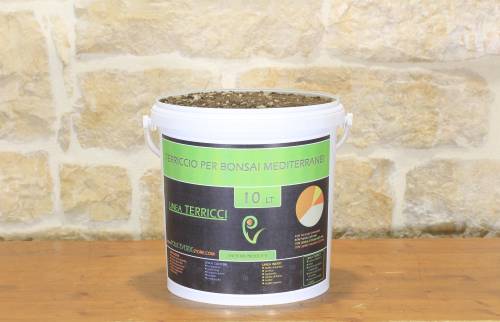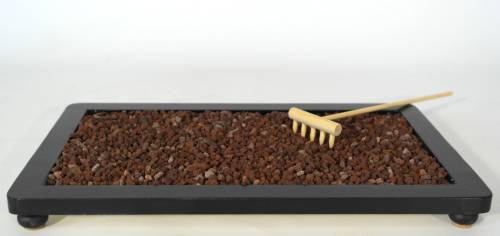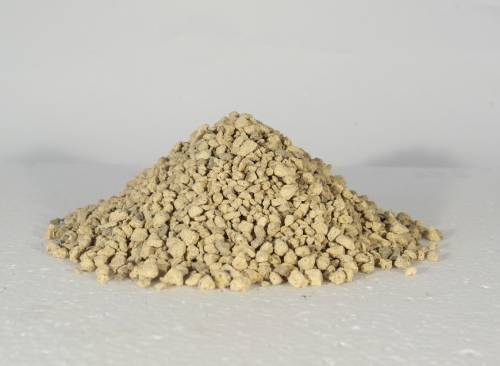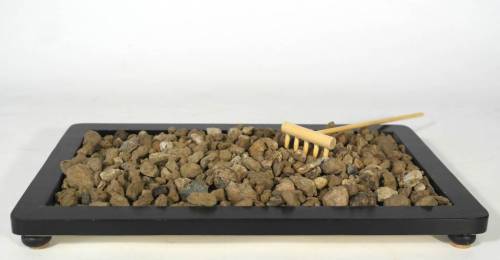


Volcanic lapilli 10/14 mm - 10 lt pack


We pack the bonsai in order to guarantee the life of the plant

Discover Our Guarantee Up To 2500 €

Active Every Day From 09:00 - 18:00
What it is and where it comes from
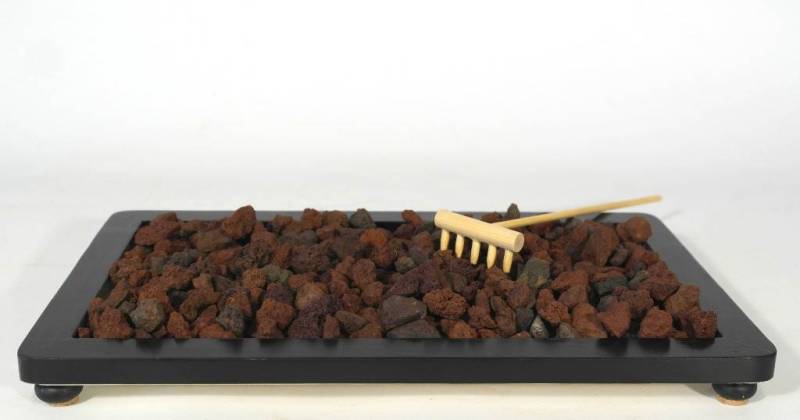
Lapilli are fragmented eruptive rock, cooled quickly and therefore full of pores. Volcanic in origin, they carry with them the minerals and iron of the lava they come from. This is the 10/14 mm grade, supplied in a 10 litre tub.
How it behaves in the pot
It is an inert material: it does not break down, it does not turn to mud, it does not change structure from one repotting to the next. Water passes straight through and drains away, while part of it stays inside the pores of each granule and is slowly released back into the substrate in the hours after watering. This twofold behaviour is why lapilli appear in almost every bonsai mix.
With such a generous grain size, the gaps between granules are wide. Air circulates, roots find oxygen and waterlogging at the bottom of the pot becomes unlikely. The granule lasts for years without crumbling.
Features
- Natural inert material of volcanic origin
- Rich in minerals and iron
- Grain size 10/14 mm
- 10 litre pack
- Free draining with fair water retention
Which grain for which plants
Ten to fourteen millimetres is a coarse grade: out of the question for a shohin, but right for large specimens in deep pots and for conifers that like dry feet. Within the body of the substrate it pairs well with pumice and akadama of the same size.
Its most common use remains the drainage layer at the bottom of the pot, where this grade works better than any fine grain. On the surface it serves as a decorative top dressing and as protection against washout from watering.
How to use it when repotting
First of all, sieve it. Even a hard inert material produces dust in transport, and that dust at the bottom of the pot blocks the holes. A quick rinse under running water is enough.
Spread an even layer over the bottom, above the mesh covering the holes, then continue with the mix. Among the roots, settle the granules with a chopstick without pressing: with a grade like this, forcing means breaking roots. After repotting, water generously until it runs clear from the drainage holes.
Frequently asked questions
How big are 10/14 mm granules really?
Just over a centimetre, since 10 mm is 1 cm and 14 mm is one centimetre and four millimetres. It is a grade you can clearly see and handle by hand, meant for large deep pots, not for shohin bowls where it would overwhelm the fineness of the substrate.
Do volcanic lapilli break down over time?
No. It is an inert eruptive rock and does not decompose the way organic components do. The granule keeps its shape and porosity through several growing cycles, so the substrate structure stays open and airy even when repotting is delayed by a season.
Can I use it on its own?
At the bottom of the pot yes, as a pure drainage layer. Within the body of the substrate it is better paired with a material of greater water retention, otherwise watering becomes very frequent in summer. For surface dressing, however, it is used just as it is, spread over the mix.
What's included
- Volcanic lapilli, grain size 10/14 mm
- 10 litre pack
If you prefer to measure out the components yourself, you can put together your own mix on the made-to-measure soil page.
- Days of preparation
- 2
| EXPRESS COURIER | EU-ZONE |
| 0 a 100 Kg. | from 0.35 until 5 € for Kg + Additional fix cost (depending to your EU-ZONE) |
| 100 Kg > + | CONTACT US FOR PRICE |
- Add to cart the product.
- Go to Cart
- In the bottom of page "Estimate shipping" and put your country, then the website will give you a