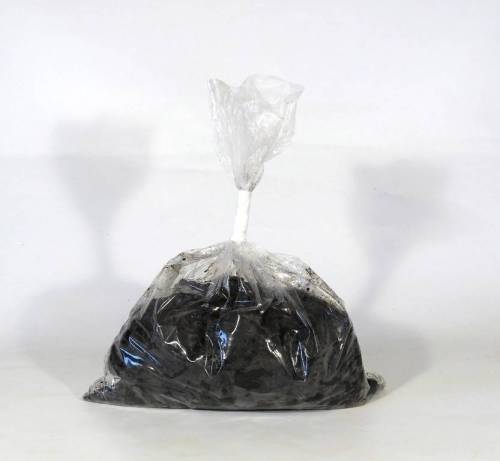


Akadama Ibaraki Hard Quality 2/5 mm grain - 10 litre pack


We pack the bonsai in order to guarantee the life of the plant

Discover Our Guarantee Up To 2500 €

Active Every Day From 09:00 - 18:00
What it is and where it comes from
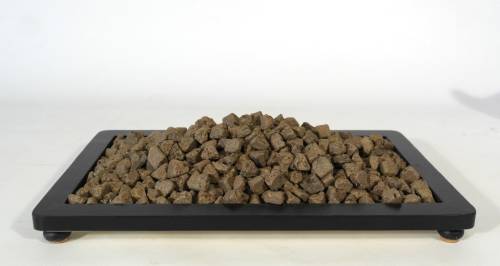
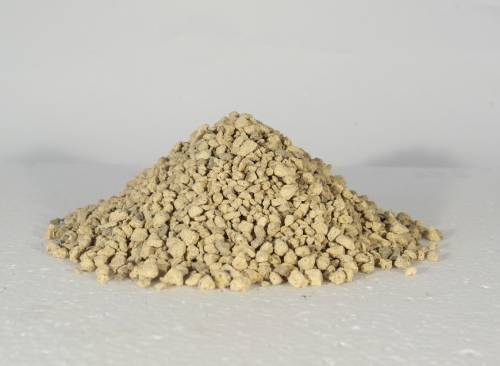
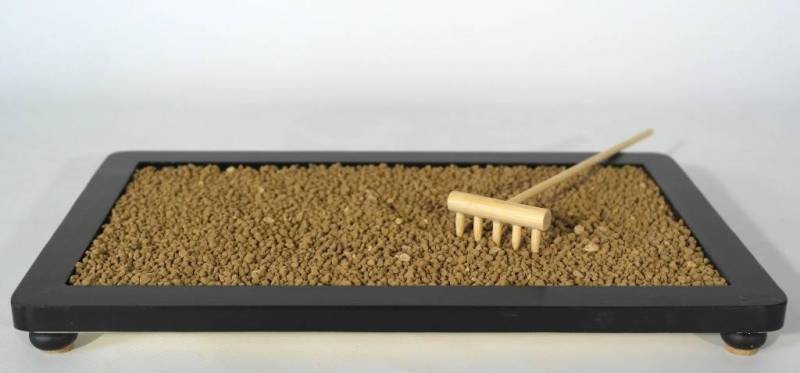
Akadama is a clay of volcanic origin quarried in Japan. This one comes from the Ibaraki basin, in the "Hard Quality" selection, the hardest fired grade of the range. The material is fully sterilised and sieved to a fine 2/5 mm grain.
How it behaves in the pot
The granule takes up water and releases it to the roots little by little, while letting the excess drain away: the pot is never waterlogged. Air pockets remain between one granule and the next, and the roots run into them and ramify short, which is exactly what a bonsai needs.
Durability is what makes the difference. Soft akadama, after a couple of seasons of frost and watering, crumbles and the substrate turns into a paste that suffocates the root system. The "Hard Quality" holds up: it does not break down even under water, so much so that it is also used as a substrate in aquariums without any sludge forming.
Features
- Clay of Japanese volcanic origin
- Ibaraki "Hard Quality" selection
- Fine 2/5 mm particle size (körnung)
- 10 litre pack
- Sterilised product
- Made in Japan
Which grain and for which plants
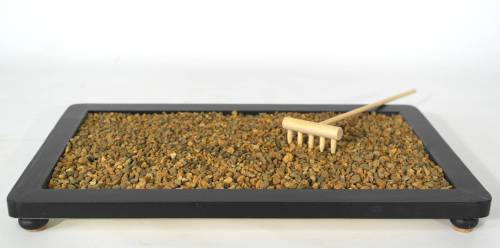
The 2/5 mm is the grain for shallow pots and for small to medium-sized subjects: shohin, mame, plants in training in growing pots. On a large specimen it stays fine, but it is still useful on the surface, where it closes neatly around the nebari and holds moisture on the surface roots.
As a substrate it suits most broadleaves and conifers. It can be used pure or lightened with a more free-draining volcanic material, pumice or lava, if the species dislikes standing water. Acid-loving plants such as azaleas and camellias are the exception, as they are grown in kanuma.
How to use it when repotting
First of all, sieve it. Even in a quality pack the dust created in transit settles at the bottom of the bag, and that dust clogs the gaps between the granules once in the pot. Two passes through a fine sieve are enough.
Place a layer of coarser grain or draining material at the bottom of the pot, then settle the plant and fill with the fine akadama. Work the substrate between the roots with a chopstick, pressing without forcing, until no air pockets remain. After repotting, water generously until the water runs clear from the drainage holes.
Frequently asked questions
What is the difference between "Hard Quality" and ordinary akadama?
The firing. Ibaraki Hard Quality has a much harder granule and withstands frost and repeated watering without breaking down. A soft akadama turns into compact clay after two seasons and the substrate loses its aeration, forcing you to repot sooner.
Can I use it pure, without mixing it?
Yes, fine akadama can be used at 100% or blended with other soils. Many growers use it on its own for broadleaves; if the species suffers from standing water or the climate is rainy, it is best paired with a more free-draining volcanic material such as pumice or lava.
Which pots is the 2/5 mm grain suited to?
Small, shallow pots, so shohin, mame and plants in training. The fine grain fills the spaces between thin roots well and holds more moisture than a coarse grain. On large bonsai it is mainly used as a finishing layer on the surface.
What's included
- 1 x 10 litre pack of Akadama Ibaraki "Hard Quality"
- Fine 2/5 mm particle size
If you prefer to measure out the components yourself, you can put together your own blend on the made-to-measure soil page.
- Days of preparation
- 2
| EXPRESS COURIER | EU-ZONE |
| 0 a 100 Kg. | from 0.35 until 5 € for Kg + Additional fix cost (depending to your EU-ZONE) |
| 100 Kg > + | CONTACT US FOR PRICE |
- Add to cart the product.
- Go to Cart
- In the bottom of page "Estimate shipping" and put your country, then the website will give you a